


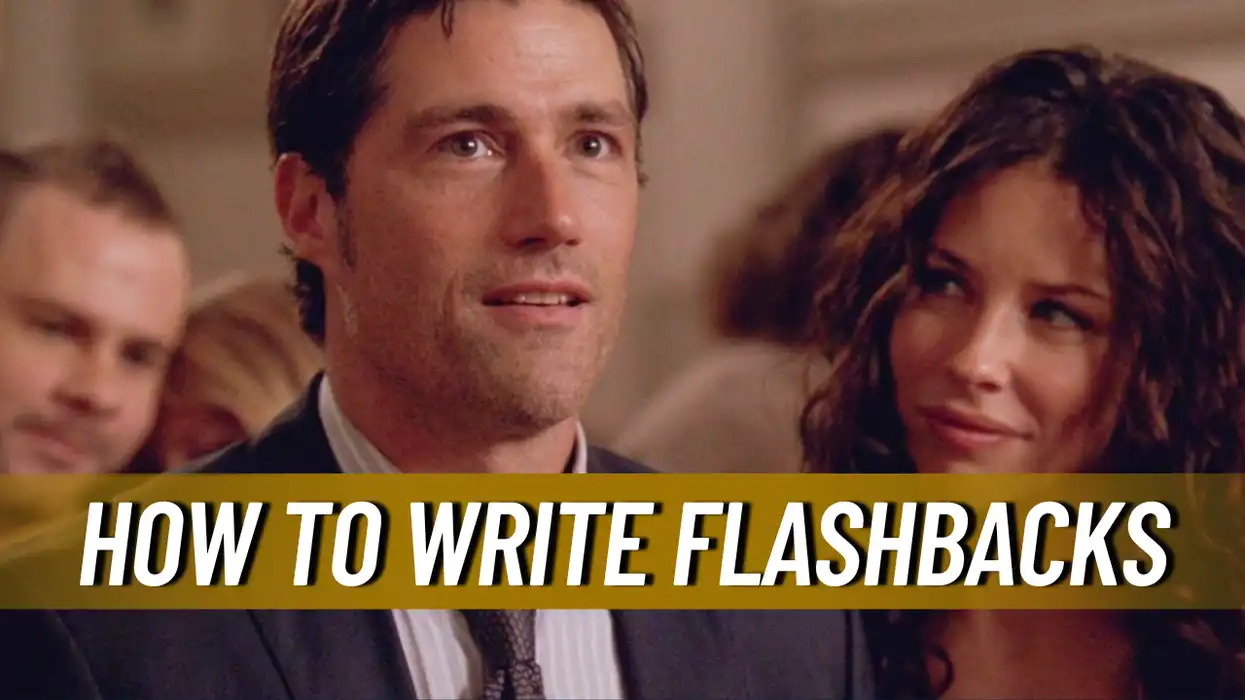
Introduction: Why Looking Back Moves Us Forward
How the Flashback Film Shapes the Way We Experience Stories Stories are not always meant to move in a straight line. Some of the most memorable films take us backward before they move us forward, inviting us to relive moments that shape characters and redefine events. The flashback film is built on this idea that the past is not separate from the present, but deeply intertwined with it.
A flashback film does more than show what happened before. It changes how we feel, how we understand, and how we connect with a story. By rearranging time, it invites audiences to actively participate, to piece together meaning, and to emotionally invest in what they discover along the way.
What Is a Flashback Film?

A flashback film is a narrative built around scenes that return to earlier moments in time, interrupting the present storyline to reveal past events. These scenes are not random they serve a clear purpose in shaping the story.
In simple terms, a flashback is “an interjected scene that takes the narrative back in time” to reveal earlier events that are crucial to understanding the present.
Some films use flashbacks sparingly, while others rely on them as the backbone of the entire narrative. In both cases, the goal is the same: to provide context, deepen character development, and connect past actions with present consequences.
The Psychology Behind Flashbacks in Storytelling
There is a reason flashback film feel so powerful. They mirror how human memory works. We do not experience life in perfect sequence we constantly revisit the past, especially moments tied to emotion. Flashback Film
Research shows that memories, especially emotional ones, can feel vivid and immediate, almost as if they are happening again.
This psychological realism is what makes flashback films so effective. When a film shows a character’s past, it does not feel like exposition it feels like memory.
This creates a deeper emotional bond between the audience and the character. Instead of simply being told what happened, viewers experience it alongside them. That shared experience builds empathy in a way linear storytelling often cannot.
Building Suspense by Revealing the Past Slowly
One of the most powerful aspects of a flashback film is how it controls information. Instead of revealing everything upfront, it allows the story to unfold in layers.
Non-linear storytelling, which includes flashbacks, often “breaks the timeline” and forces the audience to reconstruct the narrative themselves.
This creates a unique form of suspense. The audience is not just waiting to see what happens next they are trying to understand what has already happened.
Each flashback becomes a piece of a puzzle. And as those pieces fall into place, the story becomes more complete, more meaningful, and often more surprising.
Changing Perspective: When the Past Rewrites the Present
Flashback film have a remarkable ability to change how we interpret events. A single scene from the past can completely alter our understanding of the present.
This is because flashbacks often introduce new information details that were hidden or unknown. These revelations can reshape characters, motivations, and even the entire narrative.
In many cases, flashbacks also introduce the idea of unreliable memory. What we see may not be the full truth. It may be biased, incomplete, or even misleading.
This forces the audience to question what they believe. And in doing so, it creates a more active and engaging viewing experience.
Emotional Impact: Why Flashback Film Stay With Us
Flashback film tend to linger in the mind long after they end. This is largely because they layer emotions over time.
When a story shows us the past after we have already seen the present, it creates a powerful emotional contrast. We understand not only what happened, but what was lost.
Flashbacks are often used to reveal:
- Regret
- Trauma
- Love that once existed
- Choices that cannot be undone
Studies suggest that flashbacks can carry strong emotional weight because they are tied to memory and personal meaning.
This emotional layering is what makes flashback film feel deeply human. They reflect how we process our own lives by constantly looking back and trying to make sense of what has shaped us.
Common Techniques Used in Flashback Film
Filmmakers use a range of techniques to signal when a story shifts into the past. These techniques are not just stylistic they help guide the audience through changes in time.
Some of the most common include:
- Changes in color or lighting, such as sepia tones or desaturation
- Soft focus or blurred edges
- Sound cues, including music or voiceovers
- Editing transitions like fades or dissolves
These visual and auditory signals make it clear that the narrative has shifted, allowing the audience to follow the story without confusion.
When used well, these techniques make transitions feel seamless and immersive rather than disruptive.
Iconic Examples of Flashback Film
Throughout film history, flashbacks have been used in powerful and innovative ways. One of the earliest and most influential examples is Citizen Kane, which tells its story almost entirely through a series of flashbacks from different perspectives.
What makes such films memorable is not just the use of flashbacks, but how they are used:
- To reveal character through multiple viewpoints
- To create mystery around key events
- To challenge the idea of a single, objective truth
Each example shows that flashbacks are not just a tool they are a storytelling philosophy.
When Flashbacks Don’t Work (and Why)
Despite their power, flashbacks can also weaken a story if used poorly.
One common mistake is using flashbacks purely for explanation. When they exist only to dump information, they can feel forced and disrupt the flow of the narrative.
Another issue is overuse. Too many flashbacks can confuse the audience and make the story difficult to follow.
Experts suggest that flashbacks should only be used when they add meaningful depth or answer important questions raised in the story.
If a flashback does not change how we see the story, it probably does not need to be there.
Why Flashback Film Continue to Matter Today
In today’s world of complex storytelling, flashback film are more relevant than ever. Audiences have become more comfortable with non-linear narratives and expect deeper, more layered stories.
Modern films and series often rely on flashbacks to:
- Explore character backstories
- Build long-term emotional arcs
- Create narrative complexity
Flashbacks are no longer just a technique they are a language of storytelling.
They allow filmmakers to explore themes like memory, identity, and time in ways that linear storytelling simply cannot.
Conclusion: Stories Are Not Always Meant to Be Told in Order
The flashback film reminds us that stories are not just about what happens they are about how and when we learn what happens.
By breaking the timeline, these films invite us to think, to feel, and to engage more deeply with the narrative. They reflect the way we experience life itself not as a straight line, but as a series of moments we revisit, reinterpret, and remember.
FAQs
What is a flashback film?
A flashback film is a story that uses scenes from the past to explain or deepen the present narrative. These moments help viewers understand characters, motivations, and key events in a more emotional way.
Why do filmmakers use flashbacks in movies?
Filmmakers use flashbacks to reveal important information gradually. This technique builds suspense, adds emotional depth, and allows audiences to connect more closely with the story.
How do flashbacks affect the audience experience?
Flashbacks make the audience more involved by encouraging them to piece together the story. They also create stronger emotional impact by showing events rather than just explaining them.
Can a film rely entirely on flashbacks?
Yes, some films are built almost entirely around flashbacks. In such cases, the past becomes the main way the story unfolds, often revealing different perspectives over time.
What makes a flashback effective in storytelling?
An effective flashback adds meaning to the present story. It should reveal something new, deepen understanding, or change how the audience views a character or situation.